Radon test at home: when to test and how to fix it
Radon testing at home: measure this winter with a long-term detector, read the result against Health Canada’s guideline and fix it, with South Shore pointers.
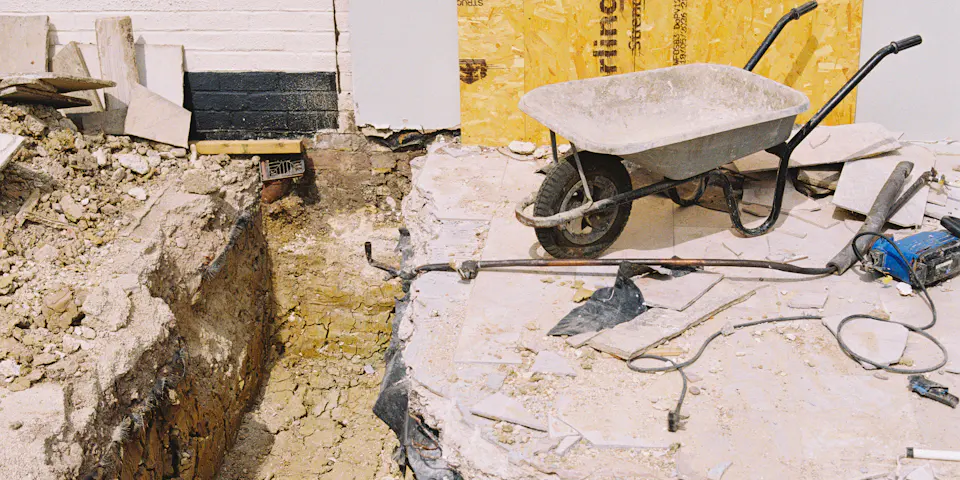
Radon is a natural radioactive gas with no smell or colour that comes from the ground. It enters houses through cracks in the foundation and slab, through the drain and around pipe openings. According to Health Canada, it is the leading cause of lung cancer in non-smokers, and Québec.ca (in French) links it to more than 1,000 deaths a year in Quebec. Every house has some: only a test tells you how much.
1. Test: fall and winter are the right time
- Use a long-term detector: the test lasts at least 3 months (91 days).
- Do it during the heating season, when doors and windows stay closed and the house is less ventilated.
- Place the detector on the lowest lived-in level, in a room used at least 4 hours a day (for example a finished basement), off the floor and away from an outside wall.
- At the end of the period, send it to the lab named on the kit.
Levels can vary a lot between houses on the same street: your neighbour’s result does not apply to you.
2. Radon in Montérégie and Belœil: local pointers
According to a fact sheet from the Montérégie public health department (November 2025, in French), about one home in five in the region has too much radon, and radon builds up mainly in the basement and on the ground floor. The same sheet notes that November is radon awareness month and encourages municipalities to offer free or discounted detectors. Belœil does: the City (in French) offers owners financial help to buy a detector. Elsewhere on the South Shore and across Greater Montréal, ask your municipality whether similar help exists. If your house is on a well, note too that, according to Québec.ca, radon can enter through groundwater.
3. Reading the result
The Canadian guideline is 200 becquerels per cubic metre (Bq/m³). Above it, Health Canada recommends taking corrective measures to lower the level within one year, and acting faster the higher the concentration. Below that level the risk is not zero: public health points out that the lower the level, the lower the risk.
4. Fixing it
The most common method is sub-slab depressurization: a pipe and a fan draw the gas from under the basement floor and vent it outside. Sealing cracks and the sump helps but is rarely enough on its own. Hire a professional certified by the Canadian National Radon Proficiency Program (C-NRPP), and ask for a quote that states the pipe route, where the fan goes and the target level. If the slab must be cut, the foundation repaired or the drain modified, the company must also hold the matching RBQ licence.
Run another long-term test after the work to confirm the result, and again if you renovate the basement or change the ventilation.
5. Finding help near you
Planning a basement or having cracks sealed? Test first, then describe the work to get quotes. The pages for Belœil, Longueuil and renovation contractors in Brossard list companies holding an RBQ licence. See also: foundation cracks and renovating a basement.
Concrete and foundations in the main cities
Montréal 296Laval 118Mirabel 44Terrebonne 36Longueuil 31Repentigny 26Blainville 26Brossard 22Mascouche 19Belœil 12