Heat pump in winter: settings, defrost and maintenance
Heat pump winter settings: heating mode, the gap with baseboards, defrost cycles, a clear outdoor unit, noise rules and Hydro-Québec peak events.
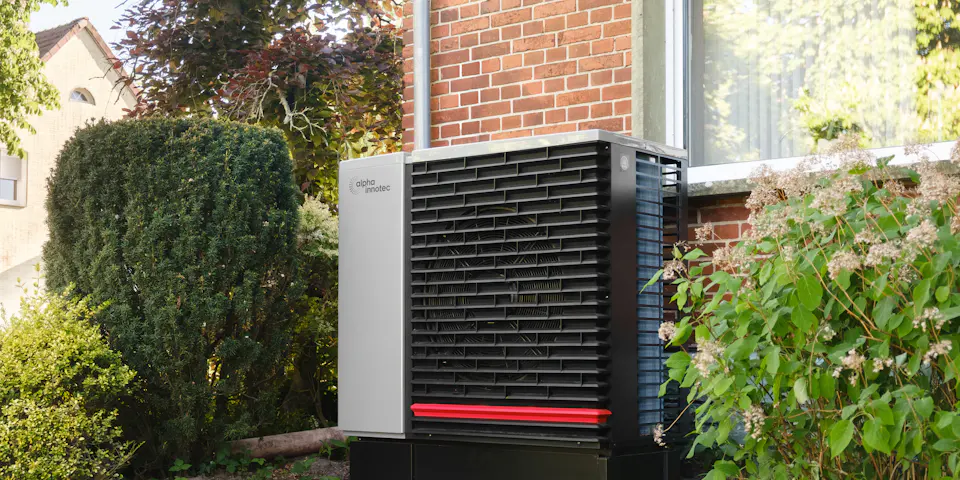
When the cold arrives, some people switch off their heat pump and heat with baseboards only. According to Hydro-Québec, that’s a mistake: a heat pump uses up to three times less electricity than baseboard heaters for the same amount of heat, and some high-efficiency models perform well down to −25°C and even −30°C. Turning it off makes the baseboards work harder. Here is how to use and maintain it well this winter.
1. The right settings
- Heating mode, never Auto. Auto mode could turn on the air conditioning, for example on a mild, sunny day.
- A gap with the baseboards. Hydro-Québec gives the example of a heat pump at 21°C with baseboards set 2 to 3°C lower (18 or 19°C): the baseboards then only take over in very cold weather.
- No sudden changes. Adjust the temperature gradually and leave the heat pump running all the time.
- Moderate setbacks. Natural Resources Canada explains that heat pumps respond more slowly than furnaces: a deep setback at night can make the backup heating run until the heat pump catches up, which cuts the savings. It recommends setbacks of no more than 2°C, or a smart thermostat that starts heating earlier. Confirm the best setting with your installer.
2. In extreme cold: backup heating
According to Natural Resources Canada, newer air-source heat pumps have a minimum operating temperature between −15°C and −25°C, depending on the model. Below it, a backup system must heat the house, and heating capacity already drops as the outdoor temperature falls. So keep your baseboards or backup system in good working order: they are part of your winter heating.
3. Defrosting is normal
When it is near or below freezing, moisture in the air freezes on the outdoor coil and lowers its efficiency. The heat pump then switches into defrost mode from time to time: it sends hot gas to the outdoor unit, whose fan stops during that time. So an outdoor fan that stops for a few minutes is not necessarily a breakdown, and neither is the steam that sometimes rises from the unit. Natural Resources Canada adds that the system can be set up to turn off the indoor fan during defrost, which saves energy; defrosting may then take a little longer.
4. What you can do yourself
- Keep the outdoor unit clear. Hydro-Québec asks you to keep the outdoor unit clear by removing snow and ice that could block it. Check it after every storm, and after the snowblower or the snow removal crew has been by.
- Clean the filters. A clogged filter can make your heating system 10 to 30% less efficient and hurt indoor air quality (Hydro-Québec). Natural Resources Canada recommends changing or cleaning the filter every 3 months; also follow the manufacturer’s guide.
- Let the air flow. Vents and registers should not be blocked by furniture or rugs.
- Wall-mounted units. Most manufacturers recommend directing the air downward when heating. Set the fan to high or Auto for heating.
5. Noise and winter peaks: rules in Longueuil, Montréal and at Hydro-Québec
In deep cold, an outdoor unit runs longer and the defrost cycle is louder, sometimes loud enough for the neighbours to notice. In Longueuil, the nuisance, peace and good order by-law (CO-2025-1306, adopted July 8, 2025; page in French) bans running a heat pump or air conditioner whose noise, measured at the lot lines, exceeds 53 dB(A). On the island of Montréal, each borough sets its own standards, and the City’s heat pump page (in French) points out that a bothered neighbour can complain through 311. A unit that gets noisier from one winter to the next deserves a service call: a loose bracket, a damaged fan or built-up ice.
If you are on Rate Flex D, the winter period runs from December 1 to March 31; peak events fall between 6 and 10 a.m. or between 4 and 8 p.m., on any day of the week, for at most 120 hours per winter. With a heat pump, keep Natural Resources Canada’s advice in mind: a moderate setback beats a full shutdown followed by a long recovery on the baseboards.
6. Service by a company
Natural Resources Canada recommends having a qualified contractor service the unit every year, with a heating check-up in the fall. During the visit, the company checks the electrical connections, lubricates moving parts, inspects the condensate drain and makes sure the unit starts, runs and shuts off properly (NRCan maintenance guide).
Also call a company if the heat pump stops heating, if the outdoor unit stays caked in ice despite your checks, or if the baseboards seem to run much more than before. Repairs to the refrigerant circuit call for an RBQ refrigeration licence (15.10, or 15.9 for an air conditioner with a cooling capacity of up to 20 kW, according to the RBQ notice, in French; up to 40 kW for a forced-air system if the company also holds 15.1, 15.7 or 15.8, according to the regulation), and anything on the panel calls for an electrician (subclass 16): confirm the licence before the visit.
Heating companies serve Montréal, Boucherville and Repentigny; you can also explain what is wrong with your heat pump and receive offers. For a new unit and LogisVert, read heat pump subsidy and installer.
Heating, ventilation and air conditioning in the main cities
Montréal 1,112Laval 485Terrebonne 178Longueuil 148Mirabel 138Mascouche 100Blainville 99Repentigny 76Brossard 61Saint-Eustache 54