Power outage generator safety and carbon monoxide alarms
Power outage generator safety: outdoors only, never on the panel, the carbon monoxide alarm Montréal requires, and what to do if the alarm goes off.
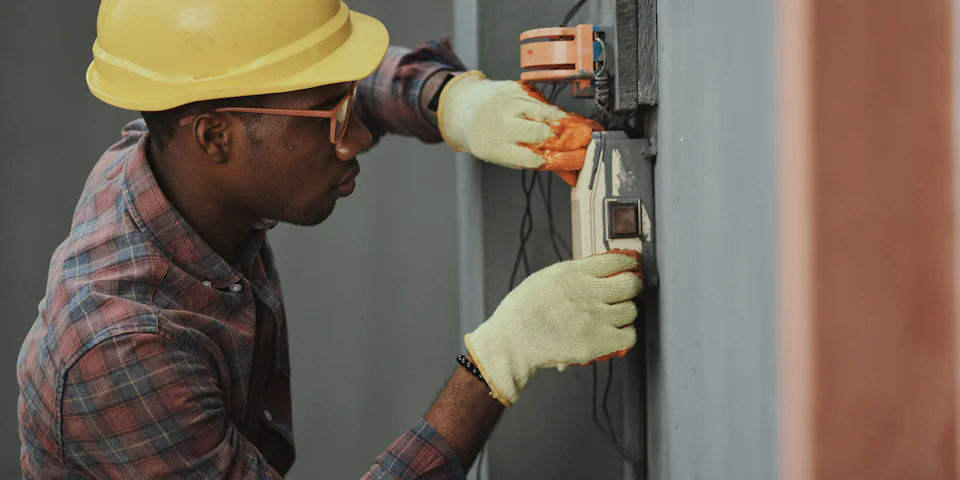
A power outage in mid-winter makes people pull out the generator and heat with the stove. It is also the season of carbon monoxide (CO) poisoning, an invisible, odourless gas. Here are the rules from Hydro-Québec and the Government of Quebec, then what Montréal’s by-law requires of owners, worth knowing before the next storm.
1. Portable generators: always outdoors
According to Hydro-Québec:
- a gas or propane generator runs outdoors only, never in an enclosed space, away from doors, windows and air intakes; a garage, even with the door partly open, is still an enclosed space;
- plug appliances directly into the generator, using heavy-duty, properly sized extension cords rated for outdoor use; no male-to-male adaptors;
- never plug it into a wall outlet or connect it directly to the electrical panel: power can flow back into the grid and endanger line crews.
2. Permanent generators: a master electrician
A permanent generator or battery system that powers the house must be installed by a member of the Corporation des maîtres électriciens du Québec, with equipment that isolates the house from the grid. The electrician notifies Hydro-Québec of the installation. Before hiring, open their RBQ record: subclass 16 should be on it. Have the quote state the planned output, the circuits it will feed and the type of isolation device.
3. Carbon monoxide alarms
A smoke alarm does not detect CO. According to the Government of Quebec page (in French):
- choose a certified model (“ULC” logo); models with a lithium battery last 10 years;
- install one on every floor, basement included, in the hallway near the bedrooms, near the door to an attached garage and in the room above that garage;
- avoid the kitchen, the bathroom, the inside of the garage and within 2 m of a fuel-burning appliance;
- test it every month with the test button and replace it as the manufacturer recommends.
4. CO and long outages: what Montréal and Laval require
In the Montréal agglomeration, the fire department (SIM) states on its page Protecting yourself from carbon monoxide poisoning that owners of residential buildings, rental units, supervised dwellings or senior homes must install a CO detector if there is a fuel-burning appliance or direct access to an indoor parking garage. The occupant must leave the detector in place and replace its battery as needed. The City’s page for tenants (in French) confirms it for oil, gas or other fuel heating.
For wood heat during an outage, the by-laws make an exception. In Montréal, the City’s page on solid fuel-burning stoves and fireplaces lets you use a stove or fireplace, certified or not, if a power outage in your building has lasted more than three hours. In Laval, section 8 of By-law L-12792 (in French) lifts the use restrictions in the same way after 3 hours without power. Even then, a working CO alarm is essential.
5. If the alarm goes off
The SIM lists five steps: go outside, leave the door open behind you to air the place out, dial 9-1-1, wait for a firefighter’s go-ahead before going back in, and watch every family member for symptoms. Before you relight a stove, furnace or gas or oil water heater, have it checked by a qualified company.
For a standby generator or a transfer switch, see electricians in Mirabel, Saint-Lazare or Rivière-des-Prairies–Pointe-aux-Trembles, or list the circuits you want powered during an outage. See also: wood stoves and chimney sweeping, frozen pipes.
Electricians in the main cities
Montréal 627Laval 342Longueuil 84Terrebonne 81Mirabel 67Repentigny 48Blainville 41Mascouche 39Brossard 33Saint-Eustache 31