EV charger installation at home: panel, permit and rebate
Level 2 EV charger installation at home: electrical panel capacity, a licensed electrician, permits in Montréal and Quebec’s $600 Écorecharge rebate.
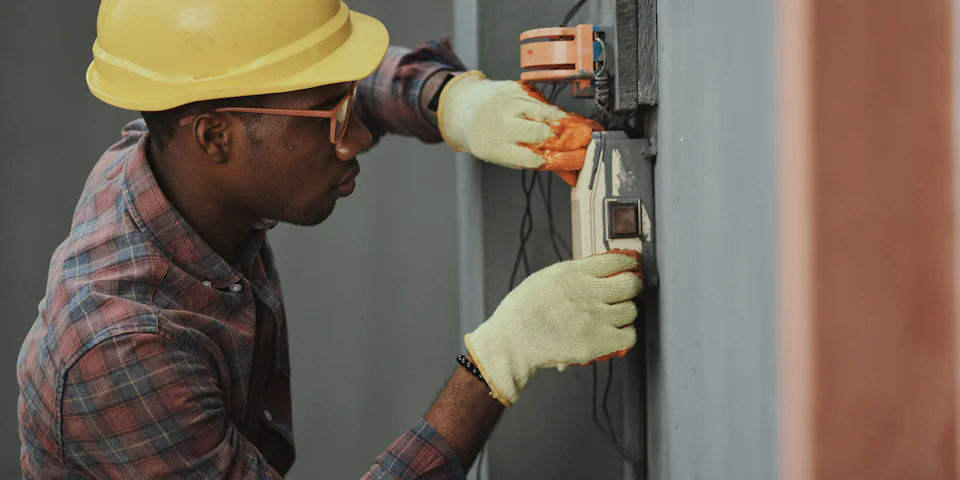
Most electric car owners charge at home. According to Québec.ca’s page on where to charge and what it costs (in French, updated June 1, 2026), home charging can cover more than 80% of a vehicle’s yearly needs. A Level 2 charger makes that much faster than a regular outlet, but it adds a large load to your panel. Here are the steps, from the electrician’s visit to the rebate application.
1. Level 1 or Level 2?
Hydro-Québec explains on its charging page that Level 1 uses a standard outlet, while Level 2 requires a 7-kW charging station connected to a 240-V circuit, installed outside the house or in the garage. For 40 km of range, it counts about 8 hours on Level 1 and 1 to 3 hours on Level 2. Québec.ca adds that 30- or 40-amp stations put back 40 to 60 km of range per hour of charging.
On the bill, Québec.ca estimates $300 to $400 more per year for 20,000 km driven, with 85% of charging done at home; the amount varies with the model and the battery.
2. Can the panel keep up?
The charger needs its own circuit. In an electrically heated house, the panel or service entrance may already be near its limit in winter. The electrician adds up the household loads (heating, water heater, range, dryer) and tells you whether the panel is enough, whether you need a load management device that slows charging when the house draws a lot, or whether the panel must be upgraded.
3. Who installs it
Hydro-Québec recommends hiring a master electrician to install a residential charging station. In Quebec, that means a contractor who is a member of the Corporation des maîtres électriciens du Québec and whose RBQ licence includes subclass 16: the company’s licence record shows it. The electrician also files the declarations required for the work.
4. What the quote should specify
- The charger (supplied by you or by the electrician), its power and amperage.
- The circuit, the cable length and its route, indoors or outdoors.
- Any work on the panel, or the load management device.
- Where the charger goes, and how it is protected from snow and snow clearing.
- An invoice for the installation work separate from the charger’s, which helps with the rebate.
5. Permits and the Écorecharge rebate in Greater Montréal
In Montréal, a home charger generally needs no borough paperwork: the Verdun borough states on its page Need a permit in Verdun? (in French) that no permit is required to install an electric vehicle charging station. Elsewhere in the region the rule may differ, so ask your town. In an apartment building or condo, Québec.ca advises asking the building manager about its charging plans.
For the rebate, the page on eligible expenses for a home charging station (in French, updated May 29, 2026, read November 1, 2026) says the government aid for buying a home charger is $600, that the charger must have cost at least $600 before taxes and that installation costs are not eligible. The charger must already be installed when you apply, with the purchase invoice or lease and the invoice for the work. Expenses must have been made after January 1, 2024 (those from February 1 to March 31, 2025 are excluded), and a lease shorter than 36 months does not qualify. Check that the model is eligible before you buy.
Electricians install chargers in Notre-Dame-de-Grâce, Boucherville and L’Assomption. To get prices, say where the charger will go and how old your panel is. If the house is older, first read our guide on old wiring and panels.
Electricians in the main cities
Montréal 627Laval 341Longueuil 84Terrebonne 81Mirabel 67Repentigny 48Blainville 41Mascouche 39Brossard 33Saint-Eustache 31