Smart thermostats for baseboard heaters: choose and install
Smart thermostats for baseboard heaters or a heat pump: compatible models, Hydro-Québec’s Hilo offer, the right settings and who may install them.
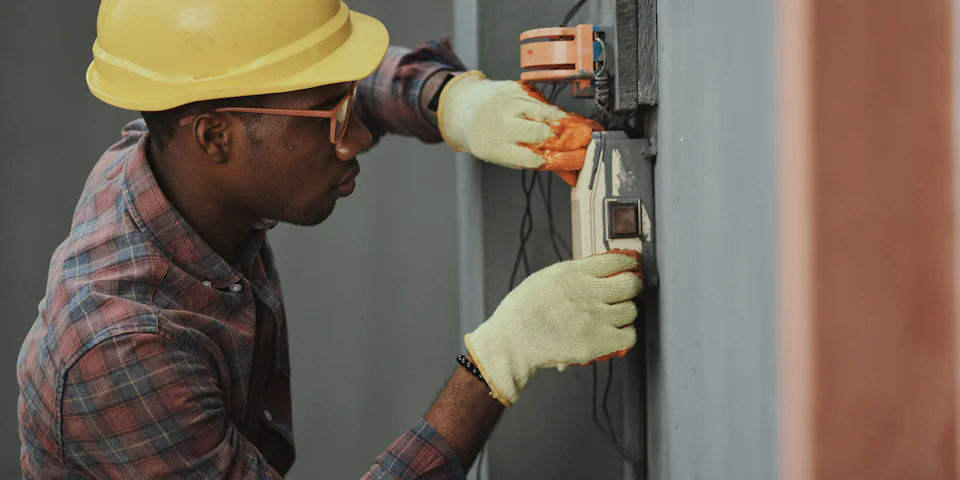
In an electrically heated home, thermostats drive much of the winter bill. According to Hydro-Québec, replacing old dial thermostats with electronic ones can by itself lower your electricity bill by 10% a year. Smart thermostats go further: scheduling, remote control and usage tracking. Here is what to know before changing yours.
1. Choosing a compatible model
The right thermostat depends on your heating system (Hydro-Québec):
- Electric baseboards: 120- or 240-volt thermostats, installed in each room or zone; an app can manage them together.
- Central heating (furnace or central heat pump): generally a low-voltage (24-volt) thermostat; one is enough for the whole house.
- In-floor heating: you need thermostats designed for this type of system.
- Hot-water radiators: some smart models are compatible; if needed, ask a specialist.
If you have several heat sources, choose models that work with your equipment and with the same app, to keep things simple. If in doubt, have the compatibility checked before you buy, especially in an older house where the wires in the wall box don’t always match the new model.
2. Who can install them
Changing a baseboard thermostat means working on a 120- or 240-volt circuit. Hydro-Québec recommends having a master electrician do the installation and points out that the Building Act requires this work to be done by a member of the Corporation des maîtres électriciens du Québec (CMEQ). The installation must also meet the Building Code and the manufacturer’s specifications for the warranty to be valid. The company you choose must have subclass 16 (electrical work) on its licence: our search by name or number shows it. On the quote, have them list the number of thermostats, the model and what is included (removing the old units, setting up the app).
3. The right settings
- Schedule routines around when you are home and away, and lower the temperature slightly at night or when nobody is home.
- Avoid changing the setpoint often: smart thermostats work best when the temperature stays steady.
- If you have a central system with backup baseboards, set the baseboards about 2°C lower than the system so they don’t run at the same time.
- Check the usage data in the app to fine-tune your settings.
Careful with a heat pump: Natural Resources Canada notes that turning the heat down saves energy, except with some hot-water systems and heat pumps, which respond slowly. For a heat pump, it recommends setbacks of no more than 2°C, or a smart thermostat that starts heating ahead of time. See our guide on heat pumps in winter.
4. Hilo, Flex D and Montréal rentals: what applies here
On very cold days, heating can account for up to 80% of an average household’s electricity use, according to Hydro-Québec. Its smart thermostat page, read on November 1, 2026, says that:
- with Rate Flex D, electricity costs up to 30 percent less 95 percent of the time, but more during peak events; you lower the heat at the start of the event, for example at 6 a.m., and turn it back up at 10 a.m., which a programmed thermostat does for you;
- combining smart thermostats with Flex D could save up to 20 percent on the winter bill;
- Hilo thermostats are now offered at $0, and select Honeywell Home, Mysa and Sinopé thermostats can be connected to the Hilo app at no extra charge, with a bonus of up to $210 per connected device.
These offers change and conditions apply, so read them again on Hydro-Québec’s and Hilo’s sites before you buy. In a rented dwelling in Montréal, also keep in mind the standard the City restates on its page Tenants: you have the right to a dwelling in good condition (in French): during the cold season, the heating should normally be able to reach 21°C, and 15°C in a non-habitable room or a vacant unit. A landlord who puts programmable thermostats in the units must still let the tenant reach that temperature.
5. What about the old thermostats?
You can sell them, give them away or drop them off at an electronics recycling centre; the “Ça va où ?” app helps you find a drop-off point.
When to call an electrician
For any thermostat replacement. And according to Québec.ca (in French), if a fuse blows for no apparent reason, if the electrical panel feels abnormally warm or if you notice an unusual smell, have the installation inspected by a master electrician. For other warning signs, see our guide on old wiring and electrical panels.
For a whole-house replacement, electricians work in Villeray–Saint-Michel–Parc-Extension, Sainte-Julie and Saint-Eustache. Give the number of rooms and your type of heating to get quotes for your thermostats.
Electricians in the main cities
Montréal 627Laval 341Longueuil 84Terrebonne 81Mirabel 67Repentigny 48Blainville 41Mascouche 39Brossard 33Saint-Eustache 31