Aluminum wiring and old electrical panels: warning signs
Old wiring, aluminum wiring and fuse panels: the warning signs, what insurers ask, the rules for Montréal plexes and who to call for an inspection.
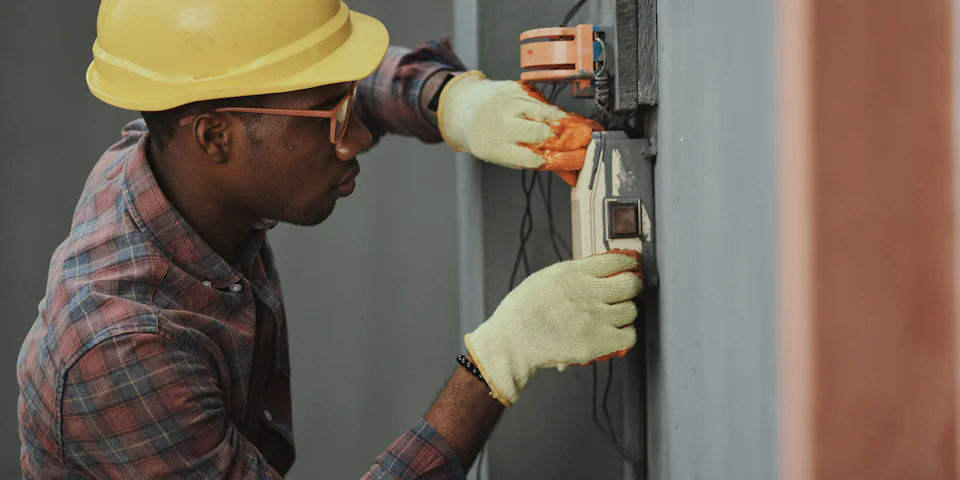
An electrical system ages quietly. The wires stay hidden in the walls, and the panel only shows its age when a breaker trips too often. In a house or plex built several decades ago, a check by an electrician heads off surprises, especially before adding a heat pump, an EV charger or a new kitchen, all of which need new circuits.
1. Signs not to ignore
- Breakers that trip often, or fuses you replace regularly.
- Warm or discoloured outlets or cover plates, or a burning smell.
- Lights that dim when an appliance starts.
- Two-prong outlets with no ground, or no protected (GFCI) outlets near water.
- Extension cords and power bars used permanently.
The Government of Quebec adds three signals on its page on preventing electrical fires (in French): a fuse that blows for no apparent reason, a panel that gives off unusual heat and an unusual smell. In those cases, it recommends having the installation inspected by a master electrician. A burning smell or a hot outlet: shut off that circuit at the panel and call right away.
2. Installations that worry insurers
- Fuse panels, and low-capacity panels.
- Aluminum branch wiring, installed in some houses in the 1960s and 1970s.
- Knob-and-tube wiring, in older houses.
Many insurers ask about the type and age of the panel and wiring, and may ask for an inspection or for work to be done before renewing a policy. Keep the electrician’s report and invoice: they also help when you sell, since the buyer and their inspector will ask the same questions.
3. What does the electrician look at?
Usually the panel first: type, capacity, condition of the connections, breakers or fuses that don’t match the circuits. Then a few outlets and switches are opened to see the type of wire and the state of the connections, and the grounding is tested. With aluminum wiring, the focus is mainly on the connection points. At the end of the visit, ask for a written report that separates what is urgent, what can wait and what is simply an upgrade.
4. Old wiring in a Montréal plex: obligations and help
In Montréal, electrical work no longer goes through the borough: according to the page on renovating the interior of a building (in French), the City no longer issues permits for electrical work, which follows provincial rules and must be done by a licensed contractor. A permit is still needed if walls are opened or changed along the way.
In a rental unit, the City’s page Tenants: you have the right to a dwelling in good condition (in French) says the dwelling must have electrical and heating systems in good working order under By-law 03-096; a tenant can ask for an inspection if the landlord does nothing. For owners of a 1- to 5-unit building, the RénoPlex program (in French) lists electrical work among the eligible items of its first component, if the building’s value is no more than $3,860 per square metre and the request is at least $3,000 (page updated June 19, 2026); work starts only once the application is accepted.
5. Who to call
Only an electrical contractor may redo circuits or change a panel: they must be a member of the Corporation des maîtres électriciens du Québec and hold RBQ subclass 16, which our licence check shows. If the service entrance must be replaced, the electrician deals with Hydro-Québec for the disconnection and reconnection. The quote should detail the new panel and its capacity, the circuits redone, the outlets replaced and what is left for later.
Electricians work across Montréal, including Mercier–Hochelaga-Maisonneuve, and in Repentigny. You can describe your panel and the age of the house to get quotes. For charging a car at home, see installing an EV charger.
Electricians in the main cities
Montréal 627Laval 341Longueuil 84Terrebonne 81Mirabel 67Repentigny 48Blainville 41Mascouche 39Brossard 33Saint-Eustache 31